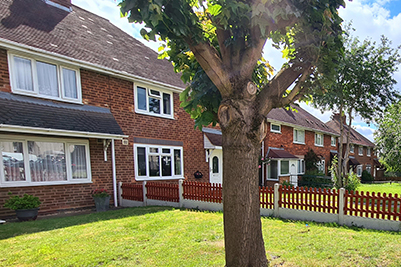
Decent Homes
The policy statement confirms that the new DHS will apply to both social rented and private rented sectors from 2035. This extended implementation timeframe is intended to allow landlords sufficient time to plan for and manage implementation effectively. In addition, the government is keen to ensure social landlords have the resources to support both improvements to their existing stock and continued delivery of new supply.
The new DHS will focus on condition as the primary factor for compliance, rather than the age of a property/ component. See box for overview of the new DHS
The new DHS will also apply to supported housing and temporary accommodation; however, the government has recognised that there may be instances where it is not appropriate for landlords to meet certain elements of the DHS and further guidance on this will be available later this year. Additional guidance will also be published covering rented homes where the landlord is a leaseholder, as well as mixed‑tenure blocks containing both rented and owner‑occupied leasehold properties.
The new DHS will not include a mandatory requirement to provide floor coverings, although this was part of the consultation. Housing Minister Matthew Pennycook, in a parliamentary written statement, indicated that this decision reflects careful consideration of feedback received and the significant challenges that would be involved in implementing this as a mandatory requirement. However, the government recognises that many residents struggle to provide basic floor coverings and will look to identify cost-effective ways landlords can support tenants in need.
Other measures included as part of the consultation that have not been carried through to the new DHS include proposed enhanced home security measures and obligations to meet enhanced standards within the public realm (boundary walls, curtilage, pathways and steps, signage, external lighting, bin stores).
MEES (Minimum Energy Efficiency Standards)
The consultation response on MEES confirms the requirement for social rented properties to achieve EPC C or equivalent by 1 April 2030.
The ‘dual metric’ approach set out in the consultation requiring providers to meet EPC C in two metrics, is retained. However, in response to concerns about deliverability and affordability, the timescale for full implementation has been extended. Social landlords will only be required to meet one metric by the 2030 deadline; the second metric must be achieved by 2039.
In addition, the ‘Fabric First’ principle will no longer be mandatory, allowing landlords to select which metric (smart, heat, or fabric) is best suited to their stock and tenant needs allowing flexibility where other metrics may deliver greater benefits.
A new, time‑limited ‘Spend Exemption’ will apply from 1 April 2030, capping required energy‑efficiency investment at £10,000 for a 10‑year period. Also, homes that are already compliant with EPC C with a valid certificate issued before the new EPC format is introduced will be able to rely on this certificate until it expires.